
Silver Spring, Md. (Special to Informed Comment; Feature) – In the heat of war, the Torah or Hebrew Bible demands an unexpected restraint: Do not cut down the fruit trees.
The Jewish ecological principle known as Bal Tashchit (‘do not destroy’) forbids the destruction of fruit-bearing trees — and by extension any source of nutrition — even during a siege — is rooted in Deuteronomy 20:19, “If you besiege a town for a long time, making war against it in order to take it, you must not destroy its trees by wielding an ax against them. Although you may take food from them, you must not cut them down.”
It serves as the Torah’s ultimate check on the destructive impulses of the Israelites during war and occupation, insisting that essential sources of human nutrition remain off-limits — not to be sacrificed to revenge, convenience, or conquest.
From this wartime prohibition, Rabbinic authorities derived a broad prohibition against all forms of destruction and waste. As the great Jewish philosopher and authority Moses Maimonides (d.1204) codified in Mishneh Torah:
“This prohibition does not apply to trees alone. Rather, anyone who breaks utensils, tears garments, destroys buildings, stops up a spring, or ruins food with a destructive intent — violates the command ‘Do not destroy.'”
(Laws of War 6:10)
The key element of this law is intent. Destruction is a sin when it does not have a legitimate purpose. However, when the destruction serves a higher purpose, such as saving a life or healing the body, it is permitted.
The Talmud tells of a time when firewood was nowhere to be found, and students smashed and burned precious furniture to provide warmth for their dangerously ill teachers.
When critics challenged them: “Didn’t you violate Bal Tashchit, the prohibition on senseless destruction?” the response was definitive: Bal Tashchit applies to objects — but first and foremost, it applies to the human body. (Talmud, Shabbat 129a)
Jewish law forbids needless destruction, but never at the expense of human life or health. Property can be replaced; a human being cannot.
Today, we face a kal vachomer or an argument a fortiori — a “how much more so” moral crisis. If the sages were willing to burn precious property to save a single life, how can we justify the bureaucratic destruction of thousands of lives in Gaza?
Thousands of seriously ill and gravely injured men, women and children are trapped in Gaza. We do not need to burn furniture or sacrifice property. We only need to open a humanitarian corridor. Thousands of sick people — children, elders, dialysis patients, and cancer victims — are waiting for permission to reach hospitals in the West Bank and East Jerusalem.
And yet, Israel refuses to grant permission.
As documented in this short, heartbreaking video by Physicians for Human Rights Israel, the Israeli Supreme Court, petitioned to open the corridor months ago, hassat on this petition for months. It’s in no rush to save the lives of thousands of Palestinians. And in the meantime, treatable illnesses become fatal, and people are dying.
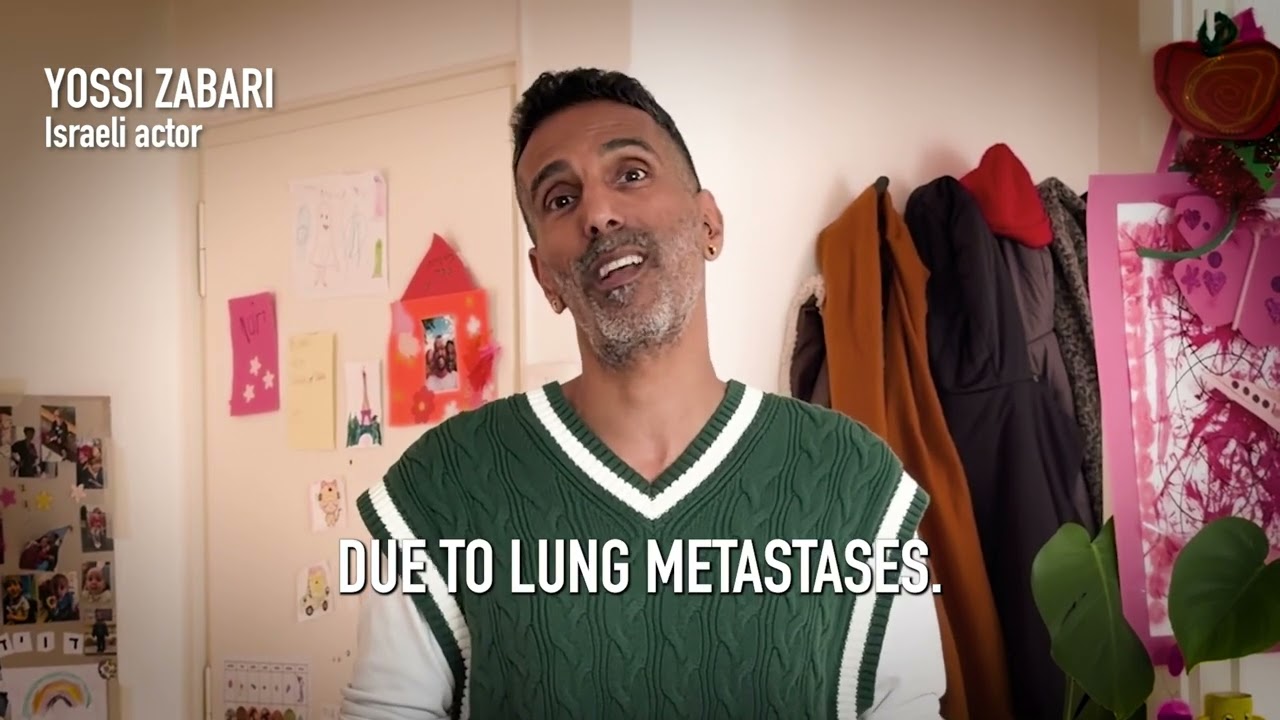
The state can afford to wait – the patients can't.
The patients in Gaza are dying — not because they suffer from incurable diseases, but because of two deliberate human-made decisions:
1. The Blockade: Israel bars much-needed medical supplies from entering the Gaza Strip.
2. The Silence: The Israeli Supreme Court’s refusal to order the opening of a humanitarian corridor.
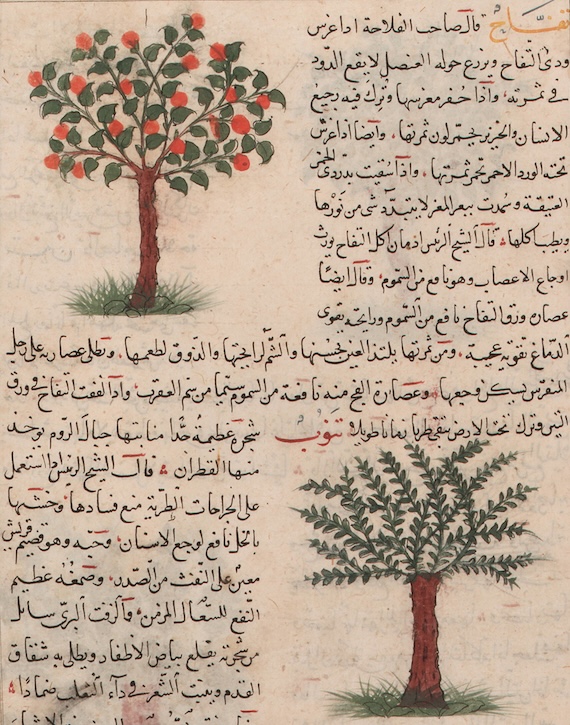
Qazwini, “`Aja’ib al-Makhluqat,” National Museum of Asian Art
The Violence of Delay
Over 1,000 patients have already died while waiting for permits that never came . There are times when delay is tantamount to deadly violence. One can wear a black robe, hold a prestigious degree, and write in the “high-falutin” language of the high courts — and still be guilty of murder.”.
What can we do?
Silence, too, is a form of destruction. Moving from “intent” to action, we can:
- Sign the petition (drafted by Physicians for Human Rights Israel).
- Contact our congressional representatives to demand the opening of the medical corridor.
- Speak up in our synagogues, churches, and mosques.
We are forbidden from destroying the trees of the field; how much more so are we forbidden from standing idly by while people perish.

 © 2026 All Rights Reserved