
Stanza 21 of the first edition of Edward FitzGerald’s translation of The Rubáiyát of Omar Khayyám continues with the theme of the shortness of life and the finality of death, but introduces new emotions, of grief for lost loved ones and nostalgia for the past. These poignant lines have sometimes made me cry. We get maudlin as we get old.
XXI
Lo! some we loved, the loveliest and best
That Time and Fate of all their Vintage prest,
Have drunk their Cup a Round or two before,
And one by one crept silently to Rest.
It is based, according to A. J. Arberry, on no. 189 in the Calcutta manuscript, which is close to the quatrain given at this site.
یاران موافق همه از دست شدند
در پای اجل یکان یکان پست شدند
بودند تنک شراب در مجلس عمر
دوری دو ز ما پیشترک مست شدند
My literal blank verse rendering of it goes like this:
All faithful friends have softly slipped away:
The foot of fate has crushed them one by one.
They drank but sparingly at life’s gala;
An hour or two before us, they fell, drunk.
By “they fell, drunk” the poet here means that they died. FitzGerald stayed fairly close to the original.
—-
Order Juan Cole’s contemporary poetic translation of the Rubáiyát from
or Barnes and Noble.
or for $16 at Amazon Kindle
——-
The theme of mourning loved ones who have passed on is often addressed in classical Persian poetry.
These lines are attributed to Hafez of Shiraz (free verse):
I drink up, again and again, to the memory of the one who is gone
For there’s no cure in this world for night wounds.
It’s too bad, crazed heart, that your tipsy tumult
is only you being drunk in this world’s funeral home.
ه یاد کسی که رفتی، میدهم جام به جام
که نیست در این روزگار، دارویی بر زخم شام
دریغا ای دل دیوانه کاین مستانه شوری
به ماتم خانه گیتی تو را سرمستی است
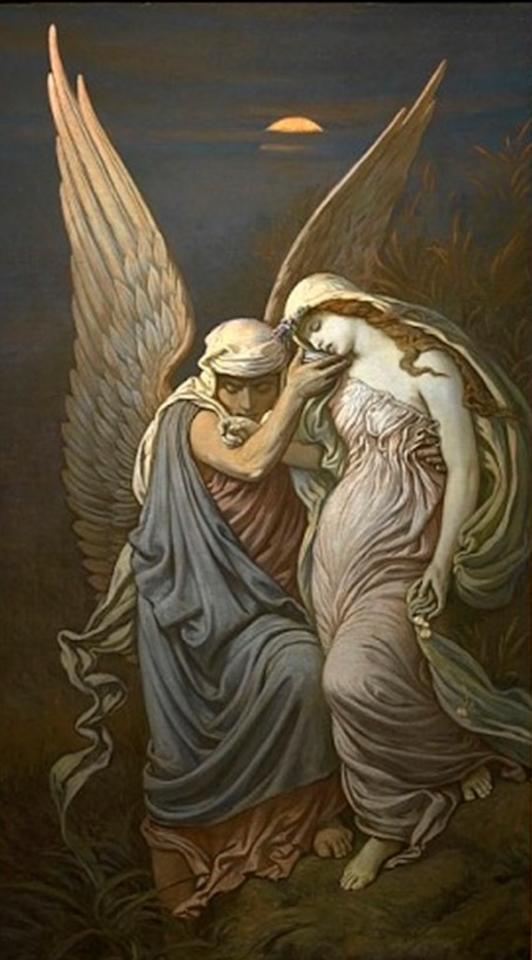
Elihu Vedder illustration for the Rubaiyat. Public Domain.
Famously, the great mystic Rumi had what the Victorians would have called a romantic friendship with the spiritual figure Shams-e Tabriz, who mysteriously disappeared from Konya. Some say Rumi’s other disciples, green with envy, secretly assassinated him and hid the body. Others say he was a wandering dervish and went back to Tabriz. Rumi hoped it was the latter. After Shams left, Rumi wrote (literal translation, free verse):
Our grief for Shams al-Din was the basis for our healing.
The disorder of our love for him was our harmony.
That peerless, life-giving lucky charm
is the life of this party, who serves the wine.
درد شمس الدین بود سرمایه درمان ما
بی سر و سامانی عشقش بود سامان ما
آن خیال جان فزای بخت ساز بینظیر
هم امیر مجلس و هم ساقی گردان ما
For the saqi or wine server, see my commentary on the Rubaiyat 1:3.
And here is a flowery meditation on death, grief and friendship from Vahshi Bafqi, d. 1583, a poet of the Safavid era in Yazd, Iran. Despite the puritanism of that age, he established links with the Shiite Sufi clan of Ni`matu’llah Vali and, and wrote poetry about mystical intoxication. He seems nevertheless to have had a weakness for wine. Paul Losensky wrote, “According to his eventual literary executor, Awḥadi of Balyān, Vaḥshi died of a strong dose of drink in Yazd in 1583 at the age of 52.” He wrote,
I had a memory of a lush garden:
Tulips of good times and roses of joy sprouted.
But autumn seized that bower of bright petals,
crushing tulips and roses, leaving behind only thorns.
The fall has cast its shadow on those blossoms.
When will the nightingale again bring us hope of spring,
since its cage is cramped and its wings broken?
With what optimism would it remember those red buds?
Even if the whole face of the earth bloomed, what hope could I have?
When my friend is gone, what do I have to do with flower beds?
خاطری داشتم القصه چو خرم باغی
لاله عیش شکفته گل شادی بر بار
آه کان باغ پر از لاله و گل یافت خزان
لالهها شد همه داغ دل و گلها همه خار
برسیدهست در این باغ خزانی هیهات
کی دگر بلبل ما را بود امید بهار
بلبلی کش قفس تنگ و پروبال شکست
به چه امید دگر یاد کند از گلزار
گر همه روی زمین شد گل و گلزار چه حظ
یار چون نیست مرا با گل و گلزار چه کار
—-
For more commentaries on FitzGerald’s translations of the Rubáiyát, see
FitzGerald’s Rubáiyát of Omar Khayyám: Commentary by Juan Cole with Original Persian

 © 2026 All Rights Reserved