
( Middle East Monitor ) – The infamous Epstein files continue to reverberate across the globe. They exposed a network that was never simply about one man’s depravity. Instead, they reveal a sprawling web of influence, compromise, and blackmail that ensnared royals, billionaires, diplomats, tech moguls, and Arab businesspeople. These ties transcend personal scandal, bordering on a geopolitical crisis; they raise the haunting question of whether Epstein’s operation served as a lever for Israeli strategic interests.
A system of untouchables
When Jeffrey Epstein was first prosecuted, the Department of Justice faced sharp criticism for its leniency. Senator Ben Sasse condemned the infamous 2008 plea deal as “a disgusting failure of the system.” DOJ officials later admitted that Epstein’s case was about a system of enablers who believed themselves untouchable. That system is now laid bare in millions of pages of documents, showing how Epstein cultivated access to power across continents.
Prince Andrew’s entanglement remains one of the most politically sensitive high-profile cases. His settlement with Virginia Giuffre, while not an admission of guilt, was described by British PM Keir Starmer in 2022 as “deeply troubling, and the public rightly expects accountability and transparency.” The damage to the British monarchy’s reputation has been devastating.
American power and complicity
Across the Atlantic, U.S. senators have demanded clarity. In 2019, Minority Leader of the United States Senate Chuck Schumer remarked, “The Epstein case shows how wealth and connections can warp justice. We need full disclosure of everyone involved.” His words underscored the bipartisan recognition that Epstein’s influence was a social malignancy. Bill Gates, Donald Trump, and Bill Clinton have all faced scrutiny for their ties to Epstein, though each has denied wrongdoing. Yet the very fact that such figures appear in the files illustrates how Epstein positioned himself as a broker of influence, not merely a predator.
Based on the millions of documents in their possession, DOJ’s investigators know the scale of the scandal. They know that this was not just about abuse, but leverage. Epstein collected secrets, and secrets are currency. That currency appears to have been spent in ways that transcend personal gain, pointing toward geopolitical manipulation.
The Israeli angle
Speculation about Epstein’s ties to Israeli intelligence has grown louder. While definitive proof remains elusive, the circumstantial evidence is striking. Epstein’s closest associate, Ghislaine Maxwell, was the daughter of Robert Maxwell, a media tycoon who worked closely with the Mossad. Intelligence experts argue that Epstein’s operations bore the hallmarks of a classic kompromat scheme: lure powerful men into compromising situations, record the evidence, and exploit it for leverage.
If Epstein was indeed functioning as an Israeli asset, the implications are profound. By compromising royals, ambassadors, and Arab businessmen, Israel would have gained extraordinary leverage in diplomatic negotiations, trade deals, and security arrangements. In a region where alliances shift rapidly, such leverage could tilt the balance of power in subtle but decisive ways.
Who benefits from silence?
The central question is not just who was involved, but who benefited—and who continues to benefit from what remains hidden. Congressman Ro Khanna, co-author of the Epstein Files Act, immediately questioned why 2.5 million pages remain unreleased. Victims’ lawyers have asked federal judges to order the DOJ website taken down, arguing the release re-victimizes survivors through inconsistent redactions.
The records confirm a clear pattern: a network of influential men stayed connected to a known sex offender long after his crimes were exposed. However, they stop short of proving a broader criminal conspiracy involving anyone other than Epstein and Maxwell. The DOJ’s conclusion that no blackmail evidence exists has been disputed by those who believe the very structure of Epstein’s operations—meticulous record-keeping, powerful guests, private island—suggests leverage and blackmail was the ultimate aim.
A web of extortion
The pattern is clear: Epstein cultivated access to elites, entrapped them in compromising situations, and maintained meticulous records. This was not random depravity—it was systematic extortion. Epstein’s island was less a playground than a trap. Every guest was a potential asset. The files suggest that Epstein’s operations were designed to engender leverage, not merely indulgence.
The geopolitical utility of such leverage is obvious. In negotiations over arms sales, trade agreements, or diplomatic recognition, the ability to silence or sway decision-makers is invaluable. If Israel benefited from Epstein’s kompromat, it would represent one of the most audacious intelligence operations of modern times.
Consequences and accountability
The consequences of the Epstein scandal are long-lasting. Reputations have been shattered, institutions exposed, and alliances questioned. Yet accountability remains elusive. Prince Andrew has retreated from public life but faces no criminal charges. American elites continue to deny wrongdoing. Many international leaders remain unnamed. And Israel, if indeed it benefited from Epstein’s operations, has faced no scrutiny.
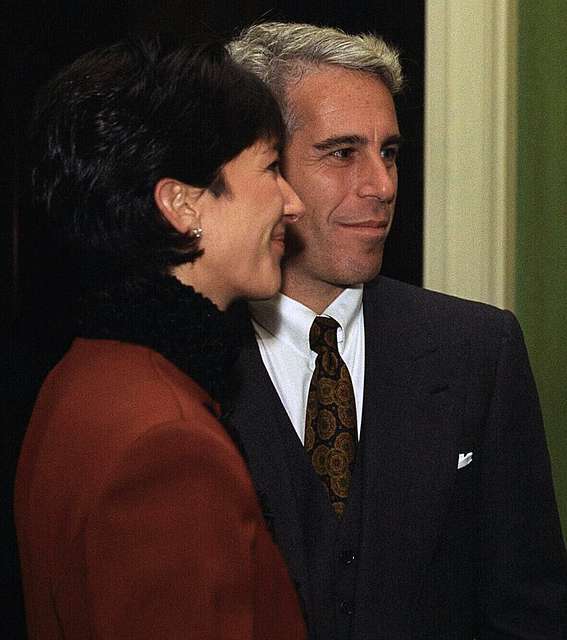
Epstein and Maxwell, by White House photographer Ralph Alswang on Sept. 29, 1993. Public Domain. Via Picryl
Chuck Schumer’s call for “full disclosure of everyone involved” remains unanswered. Keir Starmer’s demand for “accountability and transparency” has been met with silence. The DOJ’s acknowledgment that Epstein collected secrets has not translated into prosecutions of those who enabled him. The world is left with fragments of truth, but not justice.
Conclusion: Shadows that endure
The Epstein files are more than a scandal; they are a case study in how power, secrecy, and exploitation intersect. They reveal a system where elites were compromised, justice was warped, and geopolitics were manipulated through blackmail. Whether Epstein was an Israeli asset may never be proven beyond doubt. But the circumstantial evidence, the strategic logic, and the geopolitical ramifications all point in that direction.
The views expressed in this article belong to the author and do not necessarily reflect the editorial policy of Middle East Monitor or Informed Comment.
 Unless otherwise stated in the article above, this work by Middle East Monit
 © 2026 All Rights Reserved