

Ann Arbor (Informed Comment) – Neil Vigdor at the NYT focuses on the short moment in the Republican Debate last night when reality intervened in the proceedings and even the Fox News moderators, Bret Baier and Martha MacCallum, asked about the issue of the climate crisis. They wanted a show of hands by the candidates […]
Month
Category
- Africa (263)
- Asia (1,295)
- Australasia (38)
- Authoritarianism (422)
- Canada (10)
- Culture (620)
- Economy (1,092)
- Agriculture (4)
- Banking (67)
- Boycotts (1)
- Carbon Footprint (7)
- Cities (1)
- Consumption (1)
- Corporations (56)
- Cryptocurrency (2)
- Debt (21)
- Degrowth (1)
- Democratic Socialism (20)
- Demographic Decline (1)
- Development (26)
- Downward Mobility (1)
- Employment (118)
- Food Insecurity (23)
- Homelessness (18)
- Industry (5)
- Inequality (431)
- Inflation (6)
- infrastructure (11)
- Insurance (2)
- Investment (93)
- Market Crash (12)
- Middle Class (61)
- Monopolies (9)
- Neoliberalism (206)
- Plutocracy (638)
- Poverty (212)
- Poverty (18)
- Regulation (3)
- Retirement (1)
- Sanctions (5)
- Tariffs (5)
- Taxes (38)
- Technology (5)
- Trade (121)
- Weapons sales (8)
- Education (215)
- Energy (1,817)
- Agrovoltaics (4)
- Batteries (56)
- Coal (141)
- Electricity Cost (2)
- Floatovoltaics (1)
- Fossil Fuels (339)
- Fracking (50)
- Geothermal (7)
- Green ammonia (5)
- Green Energy (440)
- Green Hydrogen (8)
- Heat Pumps (6)
- Hydroelectric (3)
- Hydroelectric (17)
- Mining (1)
- Natural Gas (109)
- Nuclear Energy (161)
- Petroleum (305)
- Power Grid (12)
- Pumped Hydro (6)
- Solar Energy (459)
- Tar Sands (13)
- Wave Energy (10)
- wind energy (372)
- Environment (2,840)
- Climate Change (1,718)
- Acidification of Oceans (55)
- Agriculture (27)
- Biodiversity (17)
- Climate Refugees (7)
- CO2 (135)
- degrowth (1)
- Dehydration (5)
- Denialism (160)
- Desalinization (5)
- Desertification (164)
- Divestment (2)
- Dust Storms (7)
- Environmental Investment (1)
- Extreme Heat (415)
- Extreme Weather (308)
- Flooding (145)
- Food Supply (3)
- Forests (18)
- Green New Deal (42)
- Green Recycling (2)
- Greenwashing (3)
- Mass Extinction (63)
- Methane (21)
- Net Carbon Zerio (8)
- Nitrous Oxide (2)
- Rainforests (19)
- Rivers (13)
- Sea Level (346)
- Soil Carbon Release (14)
- Super Storms (273)
- wildfires (249)
- Wood Buildings (1)
- Climate Crisis (1,461)
- Drought (305)
- Ecology (2)
- Ecology (12)
- Environmentalism (394)
- Green Transportation (265)
- Ice Melt (145)
- Invasive Species (3)
- Islands (4)
- Oceans (107)
- Oil Spills (8)
- Pollution (234)
- Water (104)
- wildlife (24)
- Climate Change (1,718)
- Europe (1,422)
- Featured (4,544)
- Haiti (1)
- Health (726)
- History (387)
- Human Rights (1,718)
- Apartheid (265)
- censorship (358)
- Death Penalty (33)
- Disappeared (4)
- Displaced and Refugees (591)
- Food Insecurity (33)
- Forced Displacement (1)
- Gay rights (30)
- Genocide (84)
- Human Rights Watch (94)
- Indigenous Rights (1)
- Migrants (4)
- privacy (21)
- Rights (93)
- Slavery and Trafficking (16)
- Starvation (6)
- Torture (105)
- Trans Rights (6)
- Transgender Rights (5)
- Unlawful Imprisonment (113)
- Unlwful Killing (93)
- War Crimes (443)
- War Rape (9)
- International Politics and Economy (2,198)
- Arms Sales (77)
- BRICS (4)
- Corruption (270)
- Crime (134)
- Democracy (341)
- Dissent (482)
- Domestic Terrorism (15)
- Drones (113)
- Espionage (1)
- G20 (1)
- Guns (9)
- Hacking (8)
- Immigration (22)
- Immigration (5)
- Islamophobia (387)
- Migrants (2)
- military (125)
- nationalism (119)
- NATO (42)
- Neo-Imperialism (1)
- Neocolonialism (1)
- Peace (154)
- Policing (3)
- Politics (319)
- Politics&Culture (22)
- Propaganda (14)
- Race (4)
- Smuggling (1)
- Juan Cole (272)
- Latin America (123)
- media (496)
- Middle East (10,590)
- Arab World (5,422)
- Iran (1,477)
- Israel (1,015)
- Israel/ Palestine (4,001)
- Israel/Palestine (9)
- Kurds (300)
- Red Sea (1)
- Turkey (618)
- Turkiye (145)
- Patriarchy (12)
- racism (480)
- religion (1,560)
- robots (3)
- Romance (1)
- science (178)
- Secular (West) (9)
- Secularism (30)
- Spirituality (22)
- Statelessness (15)
- Stranded Assets (1)
- Surveillance (286)
- Terrorism (1,103)
- Tolerance (6)
- Uncategorized (8,088)
- United Nations (194)
- Urbanization (4)
- US Foreign Policy (1,473)
- US politics (5,721)
- Anti-War Movement (13)
- Campaign Finance (31)
- Censors (22)
- Central Intelligence Agency (63)
- Charity (1)
- Civil Rights (96)
- Congress (82)
- Conspiracy Theories (24)
- Constitution (428)
- Courts (16)
- crime (12)
- Democratic Party (981)
- Democratic Socialists of America (27)
- Domestic Terrorism (20)
- Drone Warfare (27)
- Espionage (124)
- Ethnicities (404)
- Far Right (412)
- FBI (48)
- Federal Government (1)
- Foreign Policy (204)
- Gay Rights (17)
- Guns (97)
- Immigration (267)
- Israel Lobbies (131)
- Marijuana (4)
- Militarization (275)
- National Security State (478)
- Native Americans (42)
- Nuclear arsenal (9)
- penitentiaries (6)
- Pentagon (586)
- Police (43)
- prison reform (10)
- Private Prisons (4)
- Progressive Politics (15)
- Puerto Rico (30)
- Religious Right (16)
- Reproductive Choice (69)
- Republican Party (3,272)
- South Asian-Americans (1)
- Supreme Court (133)
- USAID (1)
- Voter suppression (36)
- Whistleblowers (7)
- Xenophobia (9)
- Veterans (36)
- Voting Rights (16)
- War (648)
- White Supremacists (243)
- wikileaks (8)
- women (579)
- workers (237)
- Writing (5)
- Youth (221)
Uncategorized
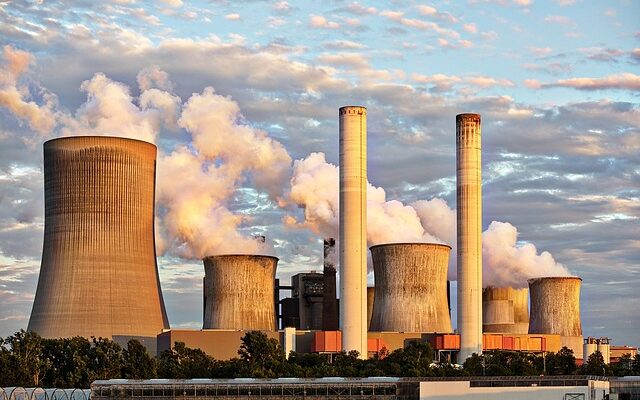
Did the Anthropocene Era of Human-Caused Climate Change Start in 1950 – or Much Earlier? Why the Debate Matters
By Noel Castree, University of Technology Sydney | – (The Conversation) – It made world news last week when a small lake in Canada was chosen as the “Golden Spike” – the location where the emergence of the Anthropocene is most clear. The Anthropocene is the proposed new geological epoch defined by humanity’s impact on […]

The Supreme Court is Corrupt and We don’t Have to Put up with It
By Jim Hightower | — ( Afterwords.org ) – When public officials get themselves mired in the muck of corruption, they can always count on Senator Ted Cruz to issue a moral judgment: If the offender is a Democrat, he pronounces the corruption inexcusably grotesque; if it’s a Republican, he wails that the offender is […]

Many thanks to our Readers and Supporters, and Happy New Year
Ann Arbor (Informed Comment) – Once again, you came through with generous support for Informed Comment. Our regular contributors and I are so grateful, and pledge to redouble our efforts in 2023 to bring you a unique and knowledgeable take on the news that has the most potential to affect our lives. H/t Public Domain […]

Four Ways Netanyahu’s new Far-Right Government threatens Israeli Democracy
By Boaz Atzili, American University School of International Service | – (The Conversation) – Democracy is not just about holding elections. It is a set of institutions, ideas and practices that allow citizens a continuous, decisive voice in shaping their government and its policies. The new Israeli government, headed by Benjamin Netanyahu and sworn in […]

Why the Middle East is moving and must move away from Oil and Gas
By Elif Selin Calik | – ( Middle East Monitor ) – In 2022, the biggest energy issue in the Middle East was Organisation of the Petroleum Exporting Countries (OPEC) oil cut as the world economy entered into a period of ‘heightened uncertainty and rising challenges’. In October, OPEC cut its 2022 forecast for growth […]
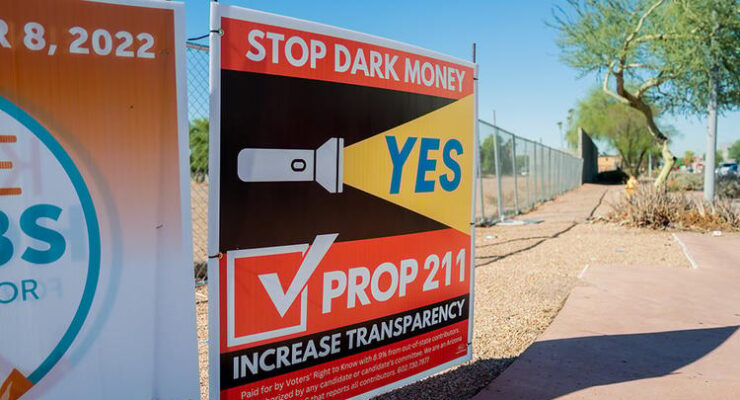
In One State, Voters backed a Law Exposing Political ‘Dark Money’ that is hailed as Model
By Emilee Miranda | – ( Cronkite News) – WASHINGTON – It could be months before the impact of Proposition 211 is seen in Arizona, but experts are already hailing the new law aimed at exposing “dark money” in politics as a model for the rest of the nation. “Other states have passed laws that […]

Israel’s Far Right in New Government Eyes Security Ministries; Who will Stop them from Just Shooting Down Palestinians?
By Motasem A Dalloul | – ( Middle East Monitor ) – As Benjamin Netanyahu, the head of the largest right-wing Israeli party Likud, is going to form the most right-wing government the country has ever had, expectations are rising that he will give influential ministerial portfolios to far right Ministers Itamar Ben-Gvir and Bezalel […]

Are OPEC+ Oil Cuts, Raising Prices, the Arab World’s Way of Asking Biden what He’s done for them Lately?
By Hazem Ayyad | – ( Middle East Monitor ) – Amir Hossein Zamani Nia, Iran’s OPEC governor, announced when he left a meeting with representatives of the 13 member states of the Organisation of Petroleum Exporting Countries (OPEC) and their ten allies – known as OPEC+ – the decision to reduce oil production by […]
 © 2026 All Rights Reserved